The Barham Legacy
A Journey Through Blood, Name, and Faith
A Journey Through Blood, Name, and Faith
The story of the Barham family begins with blood, honor, and transformation—from infamy to legacy in the wake of one of history's most notorious murders.
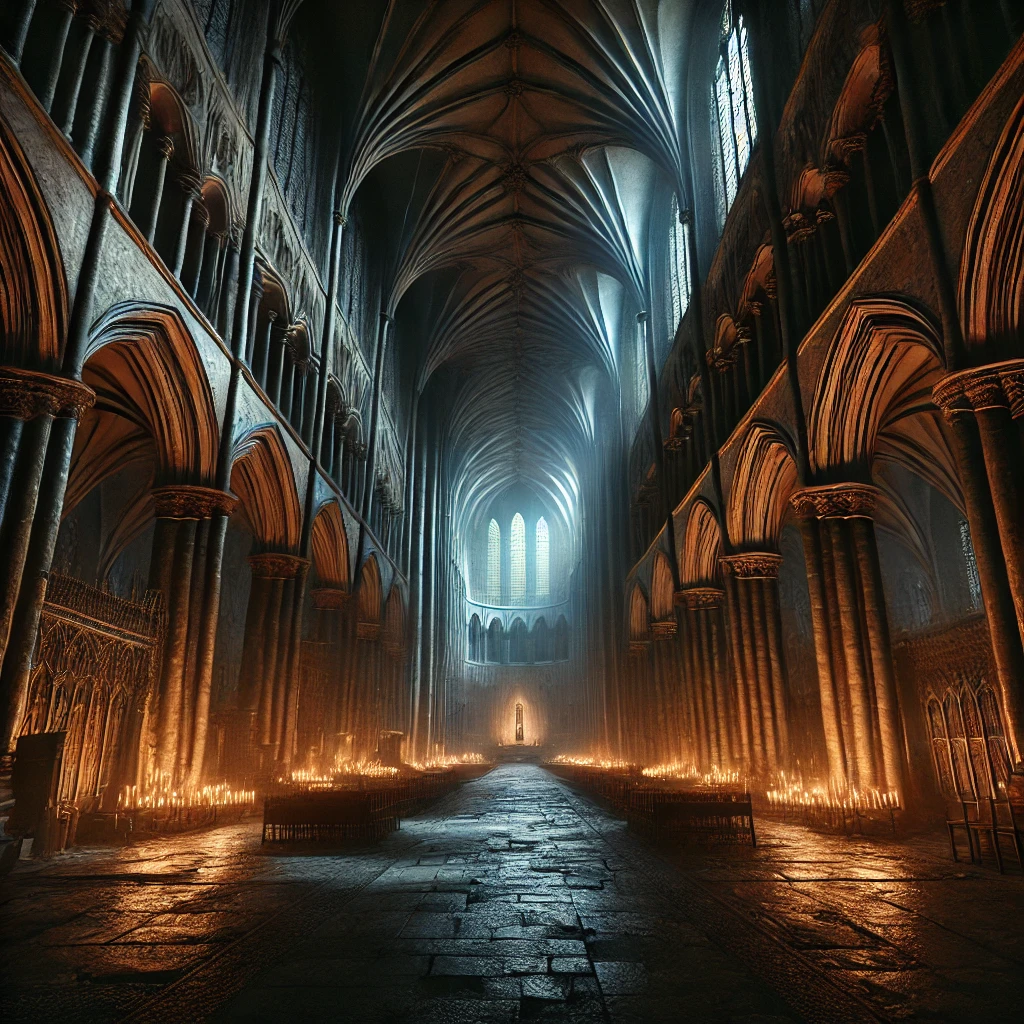
Canterbury Cathedral, December 29, 1170. Four knights, their armor glinting in the winter light filtering through the cathedral's windows, approached Thomas Becket, Archbishop of Canterbury and once-friend of King Henry II. Among these knights was Reginald FitzUrse, a loyal servant to the crown and a man whose actions on this day would forever alter not only English history but the fate of his own bloodline.
"Where is Thomas Becket, traitor to the King and realm?" demanded FitzUrse, his voice echoing through the sacred space. The archbishop, refusing to flee, replied calmly, "No traitor, but a priest of God. What do you wish?"
The dispute between King Henry and his former chancellor had festered for years, centered on the authority of church versus crown. When Henry had exclaimed in frustration, "Will no one rid me of this troublesome priest?" these knights had taken it as a royal command.
What followed would be remembered as one of the most notorious murders in English history. As monks and witnesses looked on in horror, the knights attacked Becket with such violence that the top of his skull was severed. Reginald FitzUrse was among the first to strike.
The floor ran red with the blood of the martyr. Not a true martyrdom, the skeptics would say, but within years Rome would disagree, and Thomas Becket would be canonized as a saint of the Church.
The aftermath was immediate and severe. King Henry, horrified that his outburst had been taken literally, shut himself away for three days without food. The knights, including FitzUrse, found themselves reviled throughout Christendom, branded as men who had committed the gravest sacrilege: murder in a holy place, of a holy man.
Reginald, whose name "FitzUrse" literally meant "son of the bear" in Norman French, was a man of noble bearing and considerable landholdings. His family had come to England with William the Conqueror less than a century before. Now, he faced excommunication and the potential loss of everything.
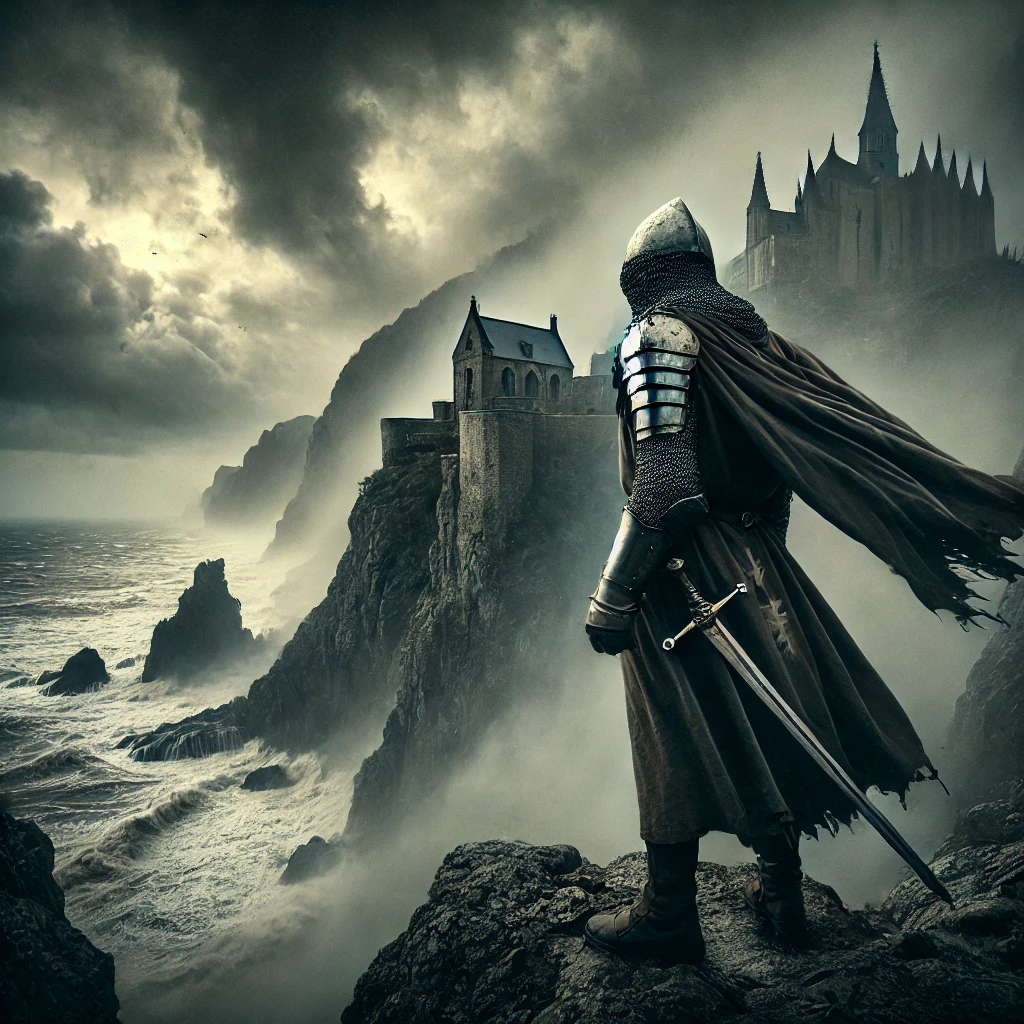
By 1171, faced with universal condemnation, Reginald FitzUrse retreated to Ireland and then to Normandy, forced to forfeit his lands. But the legacy of that fateful day in Canterbury would not end with his exile. It would transform through generations in ways that no one could have predicted.
In the years following the murder at Canterbury, the FitzUrse family name became synonymous with the killing of a saint—an impossible burden to bear. Historical records indicate that in Kent, the county where Canterbury stands, descendants of the FitzUrse family made a significant decision: they would adopt a new name, transforming "FitzUrse" (son of the bear) to "de Berham" or "Barham," possibly a reference to the place Barham in Kent, itself derived from "bear home" or "place of the bear."
This transformation of the family name—from the Norman French "FitzUrse" to the more English "Barham"—was more than a mere linguistic shift. It represented a conscious break with the past while subtly maintaining the connection to family origins. The bear in their lineage remained, though now hidden in translation and geography rather than explicitly stated.
According to the Kentish Historian and Genealogist Philpot, who conducted the Visitation of Kent in 1619 and Sussex in 1633, the Barhams of Kent and East Sussex were descendants of Robert de Berham, son of Richard Fitz-Urse, and brother of Reginald, leader of the knights who killed Thomas Becket in 1170.
— Philpot's Visitations (1619 & 1633)
The Barham family would gradually rebuild their standing, first in Kent and later throughout England. The name appears in historical records by the late 12th century, notably in land transactions and parish registers. By the 13th century, the Barhams had established themselves as landowners again, their connection to the infamous Reginald FitzUrse obscured but not entirely forgotten by historians.
The family's gradual restoration speaks to themes of redemption, reinvention, and the possibility of renewing one's legacy—even after association with one of history's most infamous crimes. While the public may have forgotten the connection, family histories preserved this knowledge through generations, a reminder of both the noble Norman origins and the fall from grace that necessitated their reinvention.
The Barham name carries a fascinating linguistic history that reflects its bearish origins across multiple languages and cultures.
Fitz- - Norman prefix meaning "son of"
Urse - From Latin "ursus" meaning "bear"
FitzUrse = "Son of the Bear"
The FitzUrse family descended from Ours or Urso, who "came over with the conqueror" and held the manor of Grittleton in Wiltshire under the Abbot of Glastonbury.
Mac - Gaelic prefix meaning "son of"
Mahon - Gaelic word for "bear"
Mac Mahon = "Son of the Bear"
After fleeing to Ireland, Reginald FitzUrse became progenitor of the Mac Mahon clan, maintaining the same name meaning in a different language.
"The McMahons in the North were anciently English, to which descended of the FitzUrses, which was a noble family in England, and the same appeared by the significance of their Irish names."
— Edmund Spenser, Elizabethan poet, "View of the State of Ireland"
Bere/Beras - "Men having the courage or strength of bears"
Ham - "The place of" or "settlement"
Bereham/Barham = "Place of the bear-strong men"
As noted by J.K. Wallenberg in "The Place Names of Kent"
During the lifetime of Richard-the-Sheriff (1381-1418), the old territorial designation of "de Berham" gradually gave way to the more modern surname of Berham or Barham, without the prefix. In various commissions of the period, it is written indifferently as "de Berham," "de Bereham," or "Berham." After the reign of Henry VIII, it became standardized as "Barham."
As documented by Sidney Pay Barham (1887-1978): "The family name Barham is in origin a place-name. Some English surnames are derived from the physical or mental characteristics of their owners, such as 'Strong', 'Brown', and 'Wise'. A numerous class denotes trades, such as 'Smith' and 'Taylor'. Very many surnames however have been borrowed from the place where the family originated, or where it first acquired a distinct personality."
According to Sidney Pay Barham: "Barham is the name of a village in East Kent on the downs of the same name between Canterbury and Dover, but there are also villages called Barham in Suffolk and Huntingdonshire and a Barham Hall in Cambridgeshire."
"According to the students of place-names, all the Barham localities in East Anglia have a name which signified in the original Anglo-Saxon 'Enclosure on a hill'; but the Kentish Barham contains what was at first a place or family name signifying 'Bear' – in short, it was 'Enclosure of Bear' or 'Bear's Home'."
From the Historian Hasted, it appears that Barham (the site of the village) "was given anno 809, by Cenulph, King of Kent, to Archbishop Wulfred for the sum of 30 pounds of pence." This confirms that the place name Barham existed centuries before the Norman Conquest.
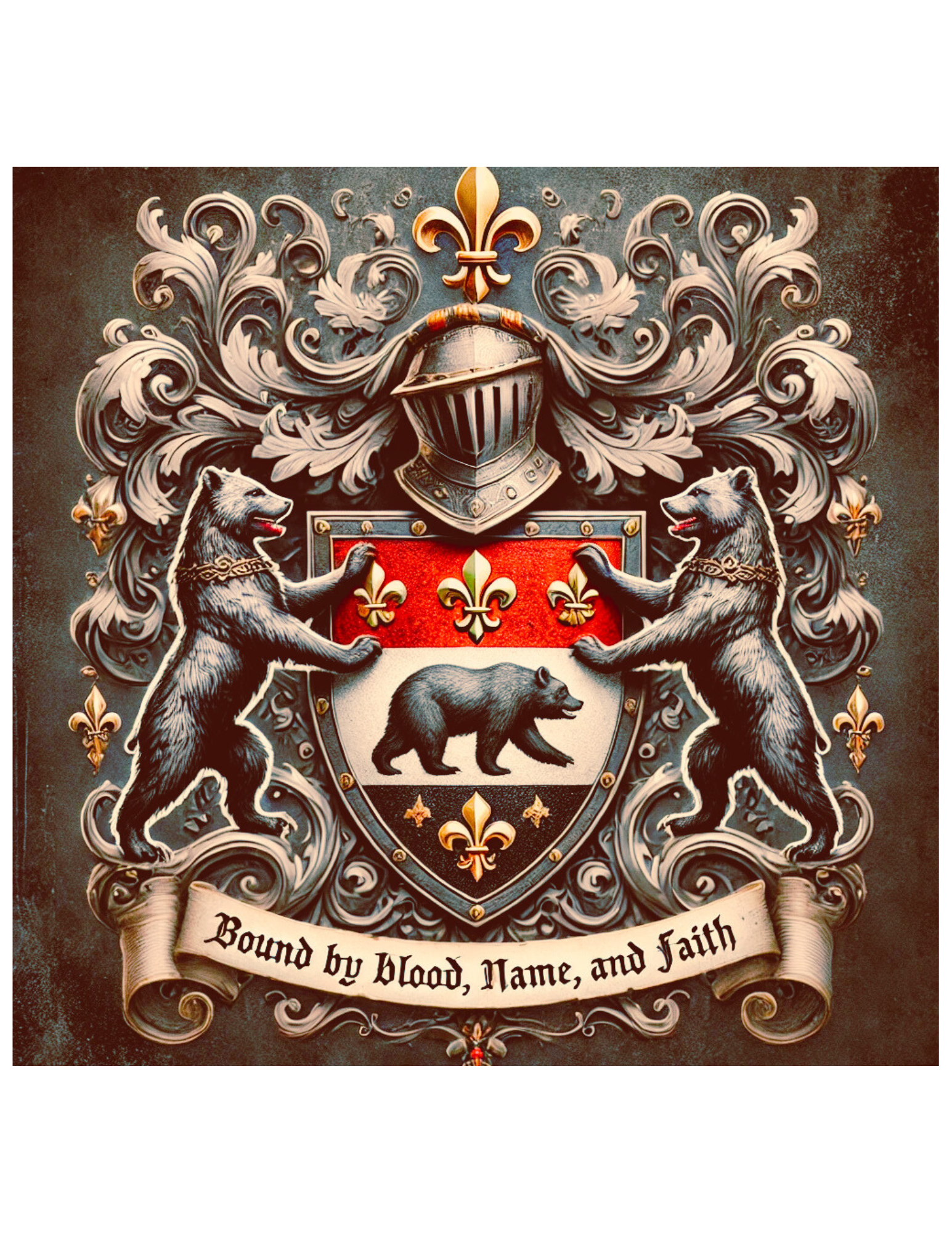
Arms: Argent; three bears passant sable, muzzled or; on a fess gules, a fleur-de-lys between two martlets or.
Crest: Stork among the bullrushes proper.
The three bears on the shield directly reflect the family's connection to the Fitz-Urse ("son of the bear") name, providing heraldic evidence of the lineage. The muzzles on the bears symbolize the tamed ferocity of the family.
In depictions of Thomas Becket's murder, Reginald FitzUrse is shown with the figures of black bears on his surcoat. The painting at the head of Henry IV's tomb in Canterbury Cathedral, the Martyrdom of St. Thomas, shows FitzUrse with his insignia consisting of black bears on the front of a tunic covering his armor.
The relation between Reginald FitzUrse and John de Berham was sufficiently close for the Barham family to possess a coat-of-arms which points back to the "bear" ancestry, even without direct documentary proof that it's identical to Reginald's own heraldry.
The Berham family's story showcases the persistence and evolution of a noble lineage through centuries of English history.
One of the four knights who murdered Archbishop Thomas Becket at Canterbury Cathedral on December 29, 1170. After excommunication, changed his name to de Berham and fled to Ireland to protect his family.
Younger brother of Reginald FitzUrse. After Becket's murder, Richard remained in England and inherited all of Reginald's lands, preserving the family estates while Reginald started a new life in Ireland as de Berham.
Son of Reginald FitzUrse (who changed his name to de Berham). Brother of Abilene. Protected the family legacy and supported his sister's marriage to Guy de Peine.
Daughter of Reginald FitzUrse (who changed his name to de Berham) and sister of Warine. Known for her learning and courage, she married Guy de Peine, forming a partnership that secured the family legacy.
The year 1196 marked a pivotal moment in the lineage of the de Berham family. Twenty-six years after the death of Thomas Becket, King Richard I, known as the Lionheart, granted the estate of High Haven to two figures whose union would reshape both their families' destinies: Guy de Peine, a loyal knight who had served with distinction in the Third Crusade, and his bride, Lady Abilene de Berham.
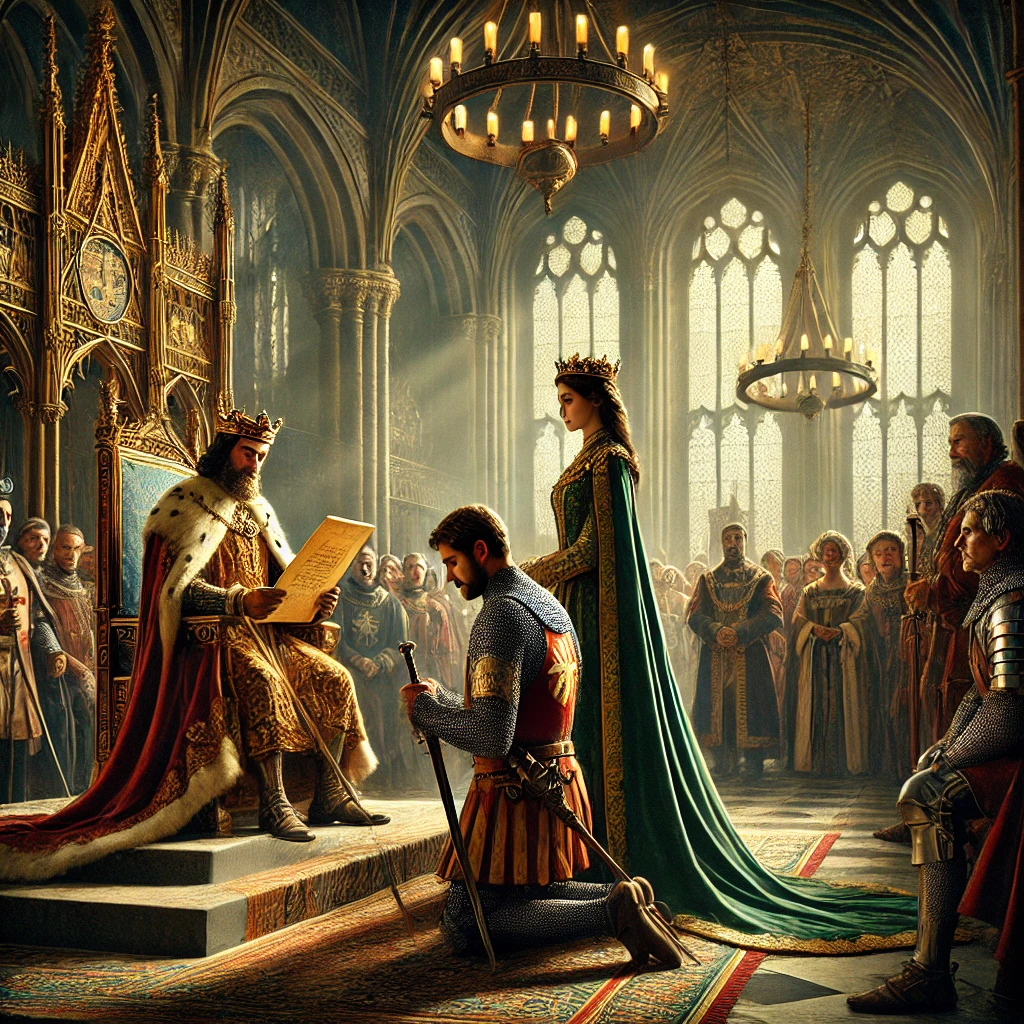
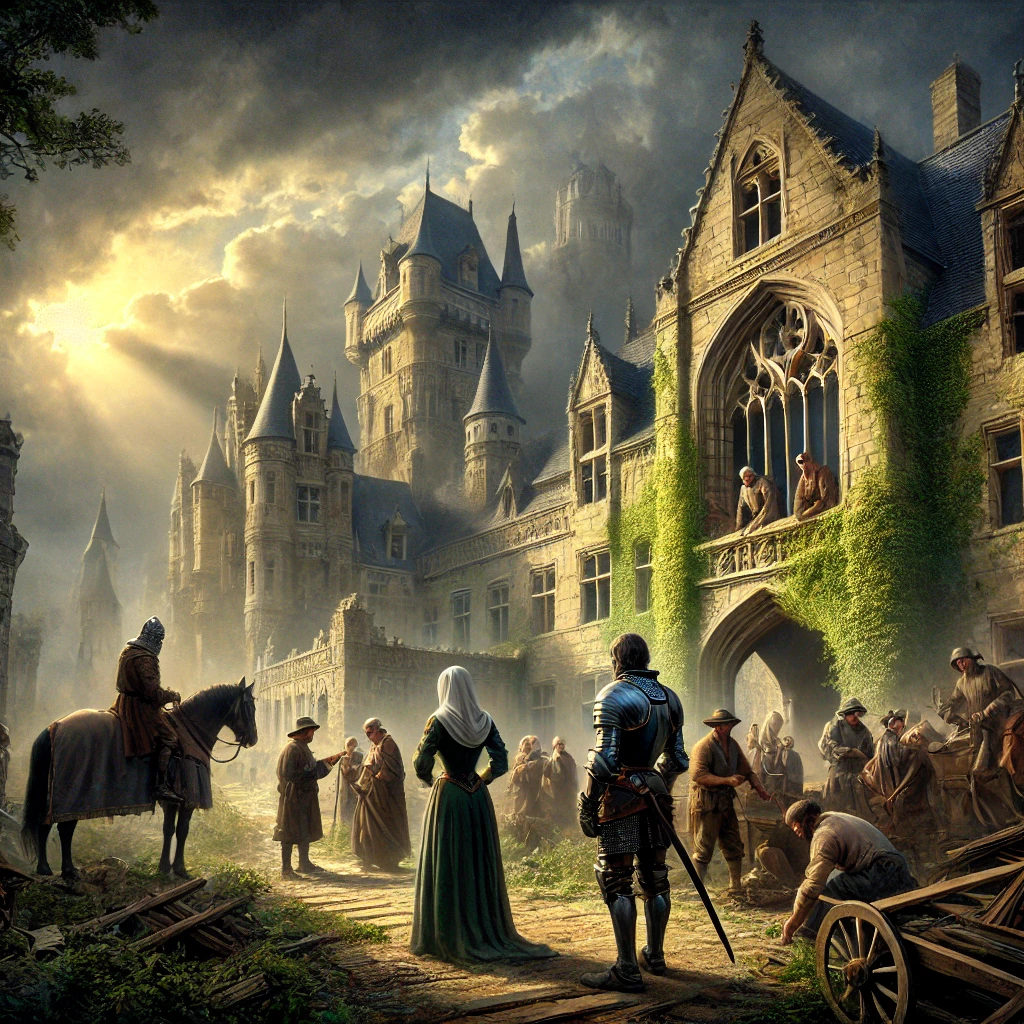

High Haven stood upon a ridge overlooking the fertile valley of the Medway, its towers visible for miles—a legacy of Saxon nobility now fallen into disrepair. In granting this estate to Guy and Abilene, King Richard offered both opportunity and challenge. The manor would need to be restored, its lands reclaimed, its purpose renewed.
Lady Abilene, a woman of uncommon wisdom and character, was a direct descendant of the FitzUrse line that had adopted the de Berham name. In her marriage to Guy de Peine, she brought not only her noble lineage but also the opportunity for a new chapter in her family's history—one of service rather than infamy.
The great flood of 1196 had devastated much of Kent, including the village of Teston near High Haven. Guy and Abilene, rather than simply claiming their royal grant and dwelling in isolation, chose to lead the rebuilding efforts. Under their guidance, local villagers reconstructed homes, repaired the water mill, and replanted fields washed away by the flood.
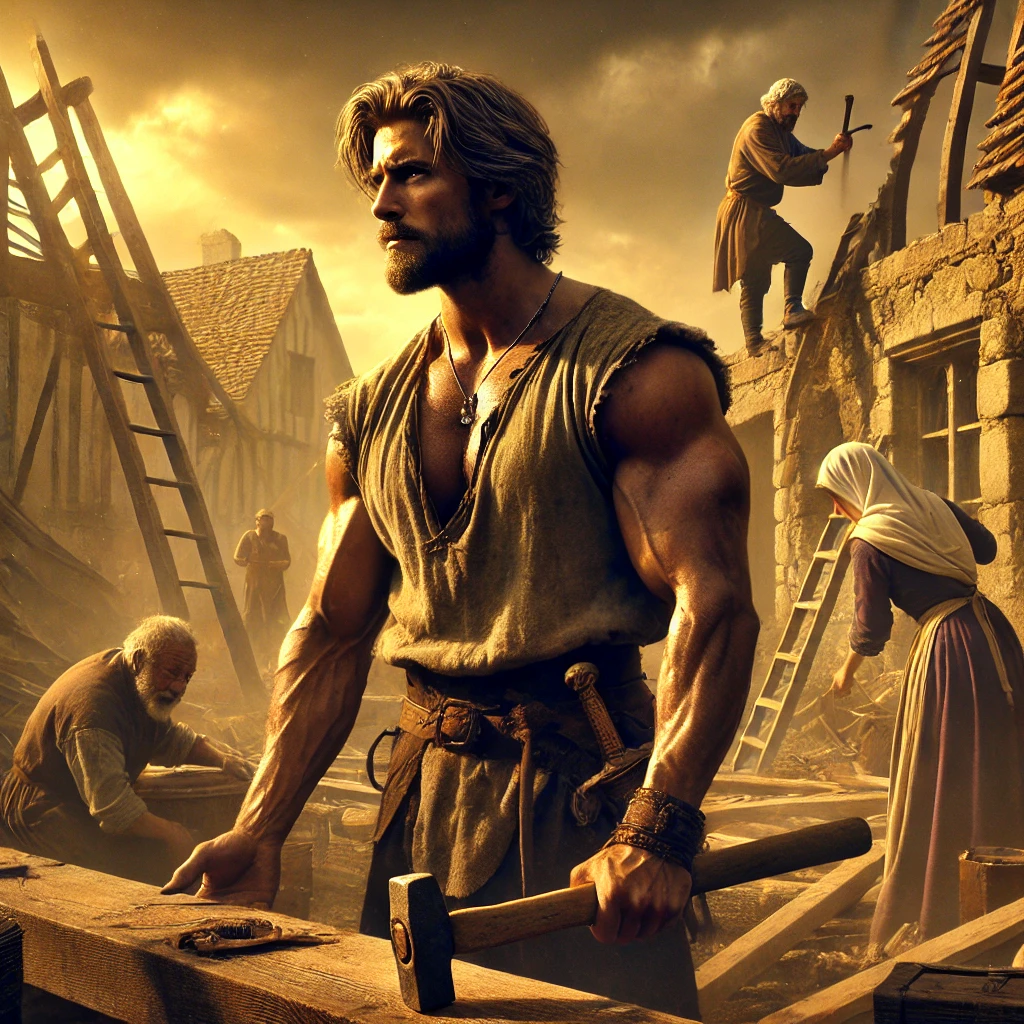
Abilene's brother, Warine de Berham, joined them in this endeavor. Together, they transformed High Haven from a crumbling reminder of former glory into a center of community and prosperity. The de Berham name, once whispered with suspicion, became associated with generosity and leadership.
In this work of restoration, Guy and Abilene found purpose that transcended the mere accumulation of wealth or status. They established a chapel at High Haven, dedicated to St. Nicholas—patron of travelers and those in peril at sea, a fitting choice for a community rebuilding after flood. Here, the family would gather for prayer and contemplation, finding in faith the strength to continue their work of renewal.
The Barham family's story spans nearly a millennium, from Saxon England through the Norman invasion and beyond.
Cenulph, King of Kent, gives the village of Barham to Archbishop Wulfred for the sum of 30 pounds of pence. This confirms that the place name Barham existed centuries before the Norman Conquest.
William the Conqueror defeats King Harold at the Battle of Hastings. Ours or Urso, the forefather of the FitzUrse line, comes to England with William and is granted the manor of Grittleton in Wiltshire.
Sybilla de Falaise, likely an illegitimate daughter of King Henry I, is born at Worspring Manor, Somerset, England. She would later become the foundational ancestor of the FitzUrse and eventual Barham family lines.
Reginald FitzUrse leads three other knights in the murder of Archbishop Thomas Becket at Canterbury Cathedral on December 29, a pivotal event that would change the family's trajectory forever.
Reginald FitzUrse flees to Ireland, changes his name to de Berham, and becomes progenitor of the McMahon clan. His brother Richard inherits his lands in England and maintains the family position.
Guy de Peine fights in the Battle of Hattin during the Third Crusade, where Saladin's forces defeat the Crusader armies. Despite the defeat, Guy distinguishes himself and returns to England with honor.
King Richard I grants the estate of High Haven to Guy de Peine and his bride, Lady Abilene de Berham. The same year, the Great Flood devastates parts of Kent, including the village of Teston near High Haven.
Warine de Barham becomes the first person of the Barham name with contemporary records. He holds lands in Berham, near Canterbury, by Knight service, as one of the Military Tenants of the Archbishop.
Warine de Berham dies the same year as the signing of the Magna Carta, a pivotal document in English history that limited the power of the monarchy.
During Richard de Berham's lifetime, the family name transitions from "de Berham" to simply "Berham" or "Barham." Richard serves as Sheriff of Kent (1390-1391) and in multiple prestigious roles for the Crown.
Thomas Bereham and Isabella his wife are admitted to lands in the parish of Wadherst, establishing the Wadhurst branch of the family that would become prominent ironmasters in the Tudor period.
Nicholas Barham purchases Chillington Manor in Maidstone, which becomes a primary family residence and now houses the Maidstone Museum.
Captain Charles Barham emigrates to Virginia and becomes Sheriff of the Virginia Territory. His land patents, including 1,000-acre tracts in Surry County, help establish the family's presence in colonial America.
These maps illustrate the regions central to the Barham family history, from the FitzUrse era through the establishment of High Haven.
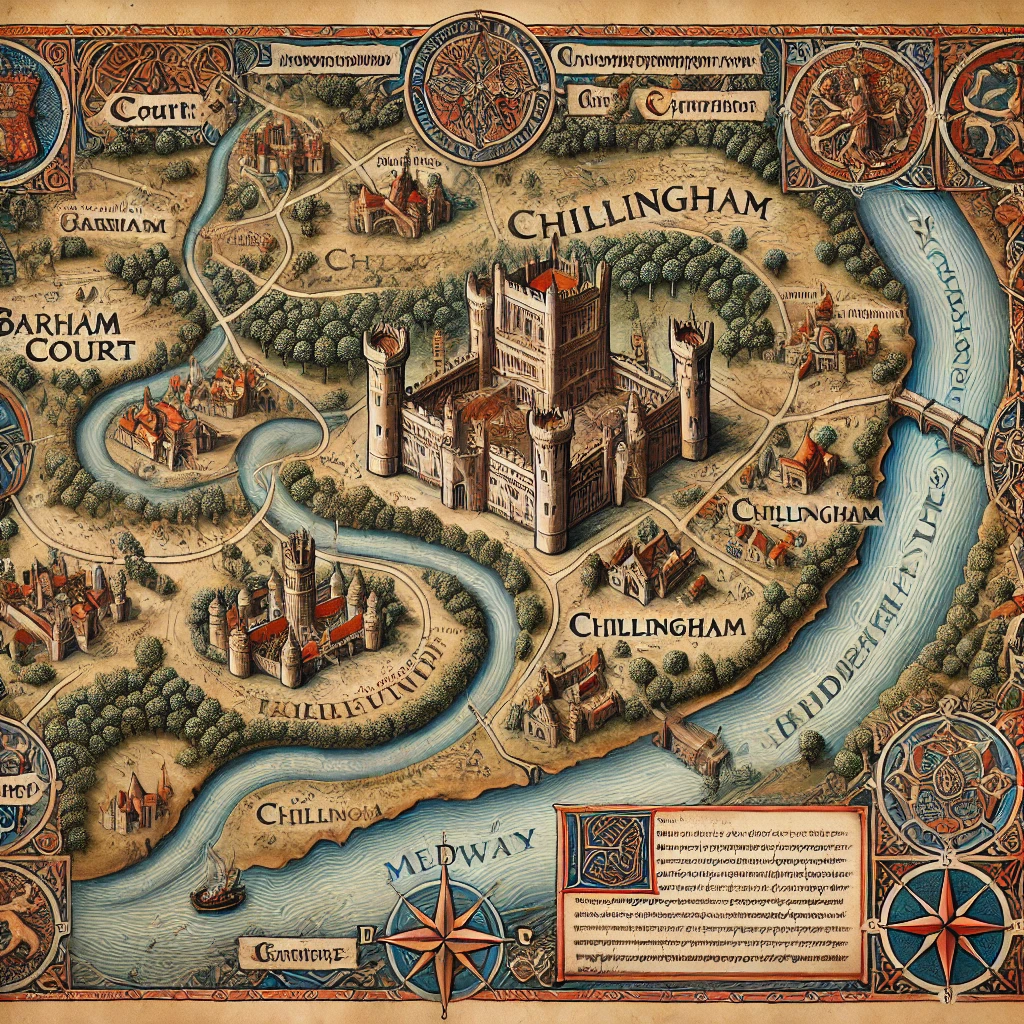
Detailed map of 12th-century Kent showing Chillingham Castle and the surrounding estates including Barham Court, a significant location in the Berham family history.
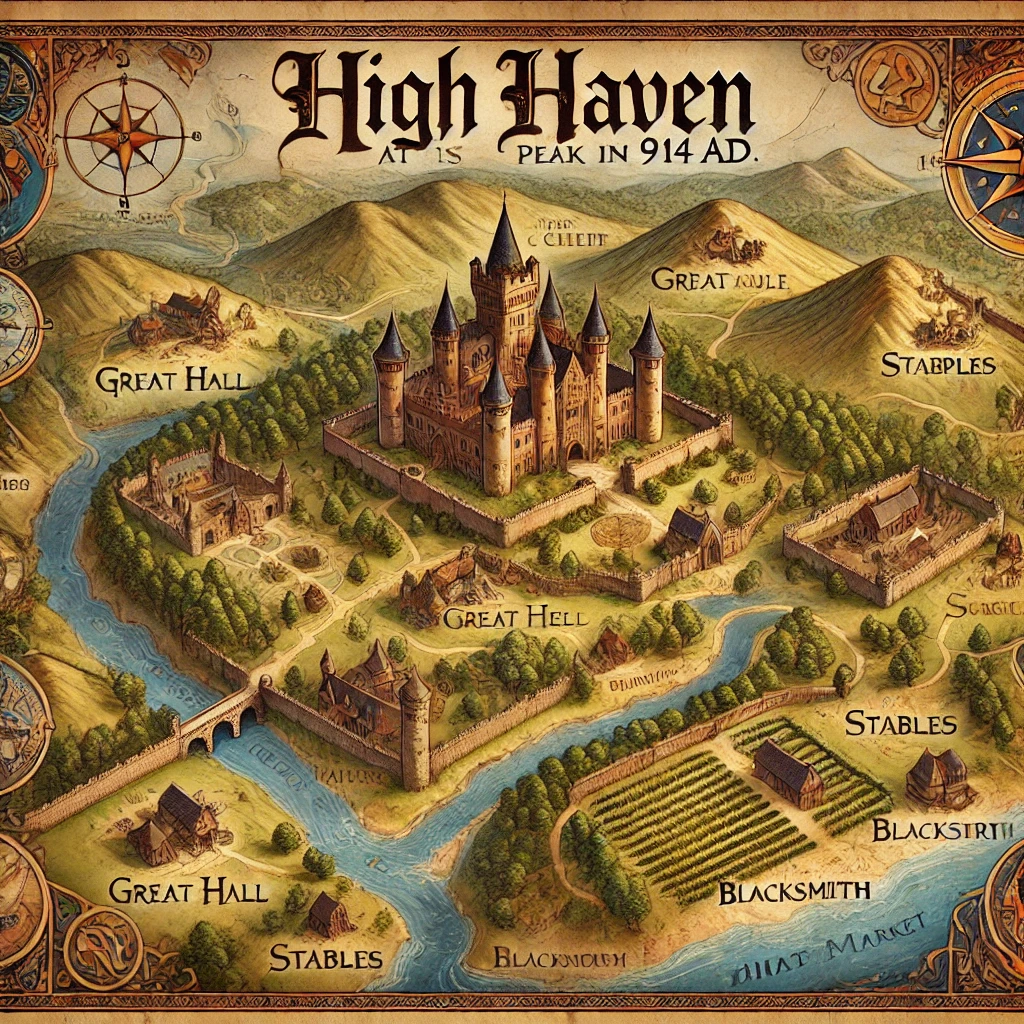
A detailed map showing the original High Haven estate built in 914 AD, long before it was granted to Guy de Peine and Abilene de Berham. The estate remained abandoned for 200 years until 1196, when the Berham-Peine family restored it to its former glory.
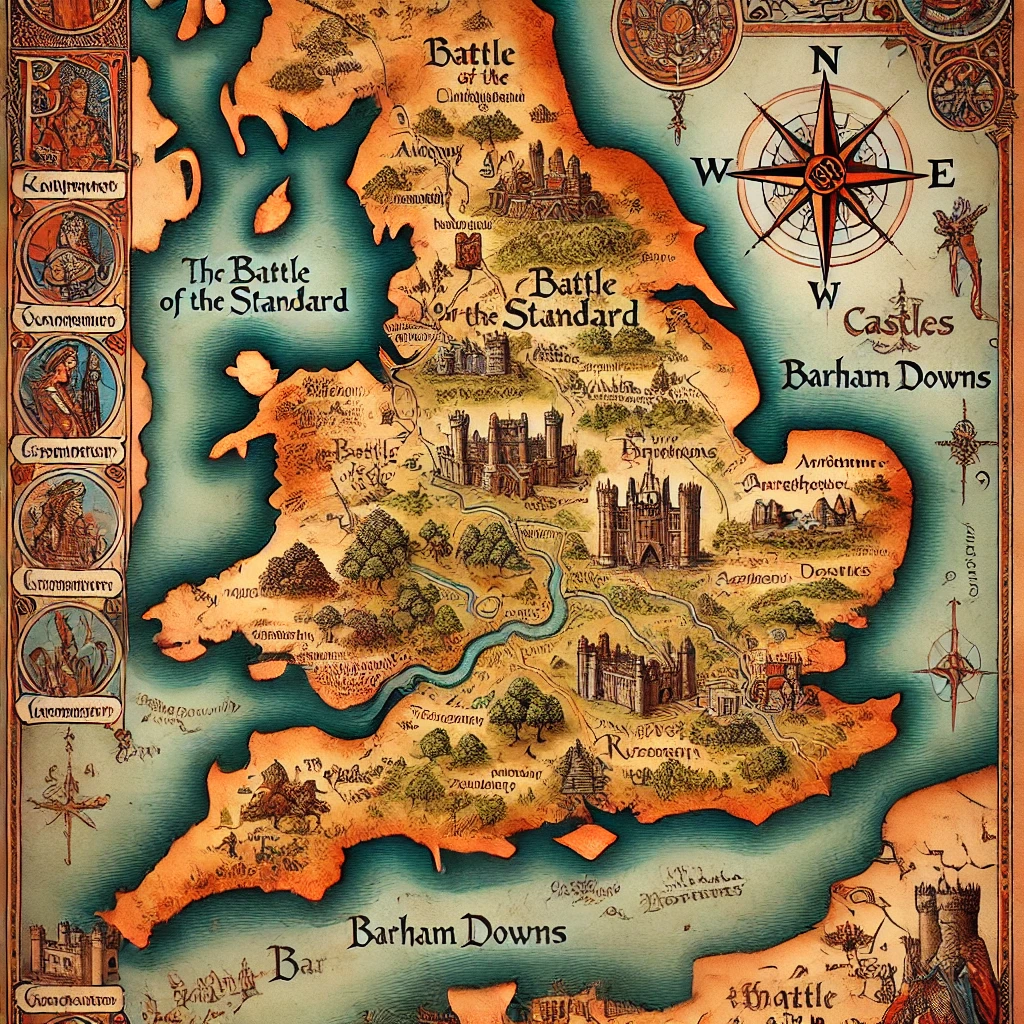
Map of 12th-century England showing significant battle sites including Battle of the Standard and locations relevant to the Barham family, including Barham Downs.
The legacy of the Barham family continues to this day, embodied in the lives of John Marshall Barham Jr. and his daughter Carlye Denise Barham. From Kent, England to the farmlands of America, the Barham story spans centuries of faith, service, and innovation.

"Renaissance Man of the Modern Age"
A gifted musician who mastered the banjo and guitar, accomplished pilot with thousands of flight hours, airline captain for 35 years, and cartographer who researched historical routes connecting back to his ancestors' journeys, John Marshall Barham carried forward the family's tradition of versatility and excellence.
"My ancestors crossed oceans by ship; I crossed them by air. They mapped new territories with quill and paper; I did so with modern tools. But the spirit of exploration, service, and faith remains unchanged through the generations."
— John Marshall Barham

"Like Father, Like Daughter — The Legacy Continues"
Following years of research into her family history, Carlye Denise Barham established a 75-acre farm at Grand River, hosts music festivals that celebrate cultural heritage, embarks on solo kayaking expeditions through remote wilderness, and became a historical fiction writer, breathing life into the stories of her ancestors through carefully crafted narratives.
"I've spent my life piecing together the fragments of our family's past, finding myself in their stories, and creating a legacy for future generations of Barhams to carry forward. Our history isn't just in the past—it's alive in how we live today."
— Carlye Denise Barham
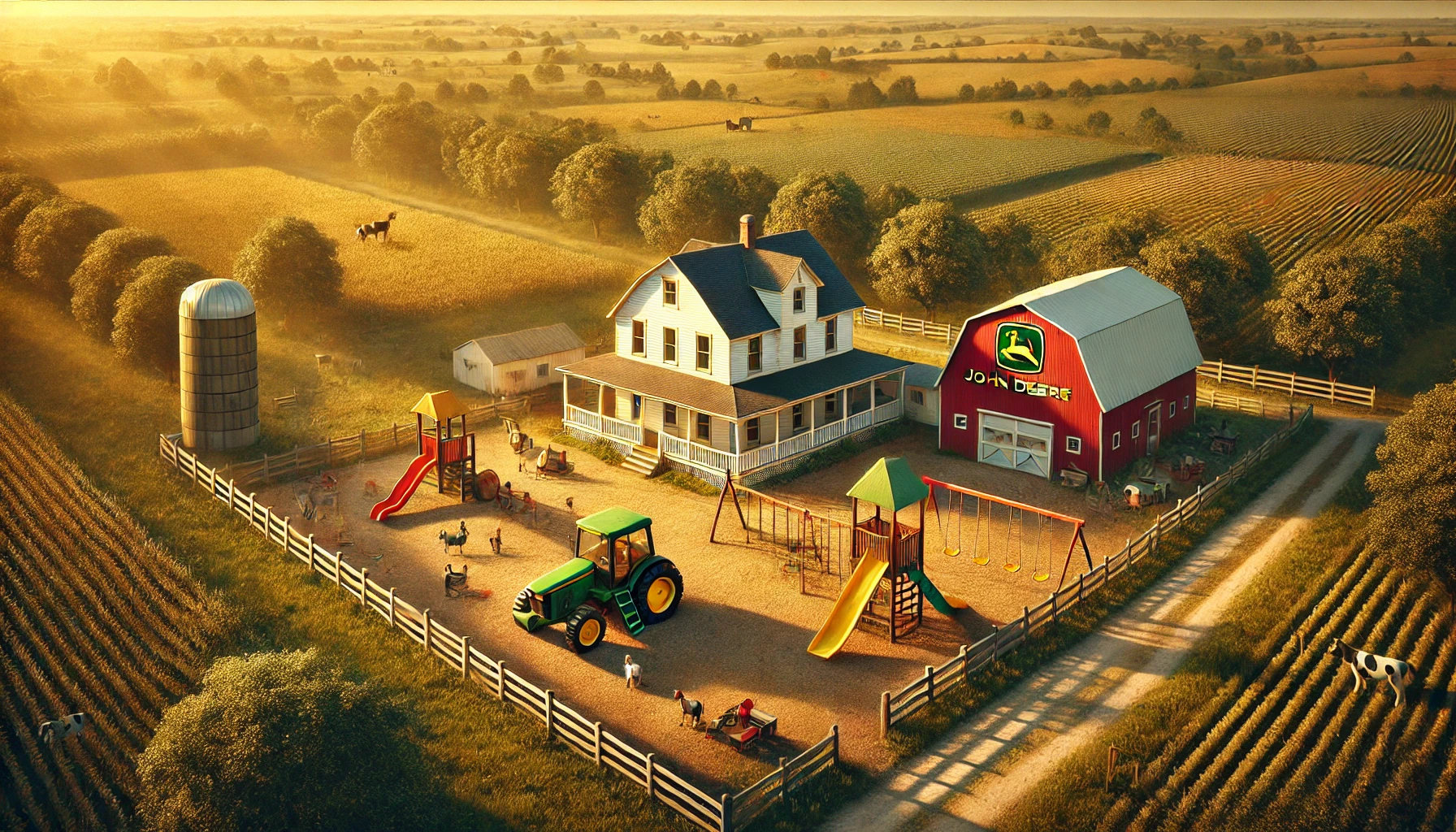
"Where Faith, Family, and Community Flourish"
The 75-acre farm at Grand River represents the modern continuation of the Barham legacy—a place where family traditions are preserved, community is nurtured, and the agricultural heritage that has been part of the Barham identity since their arrival in America in the 1600s is maintained and celebrated.
Discover the full story of the Barham legacy in this captivating historical novel
Journey through centuries of family history, from the infamous murder at Canterbury Cathedral to the restoration of High Haven, and beyond.
Return to Main Site